
Evergreen strategy guide
Multiple lock vendors in one platform: how to avoid vendor lock-in
Manage several lock vendors in one administration platform. Explore the benefits and pitfalls of vendor-independent digital access.
Why does vendor lock-in arise?
Proprietary media, lack of data export, closed integrations and high switching costs can make it difficult to add or change vendors.
One vendor can be simple to operate. The risk arises when the organisation loses meaningful choice.
What does the platform layer do?
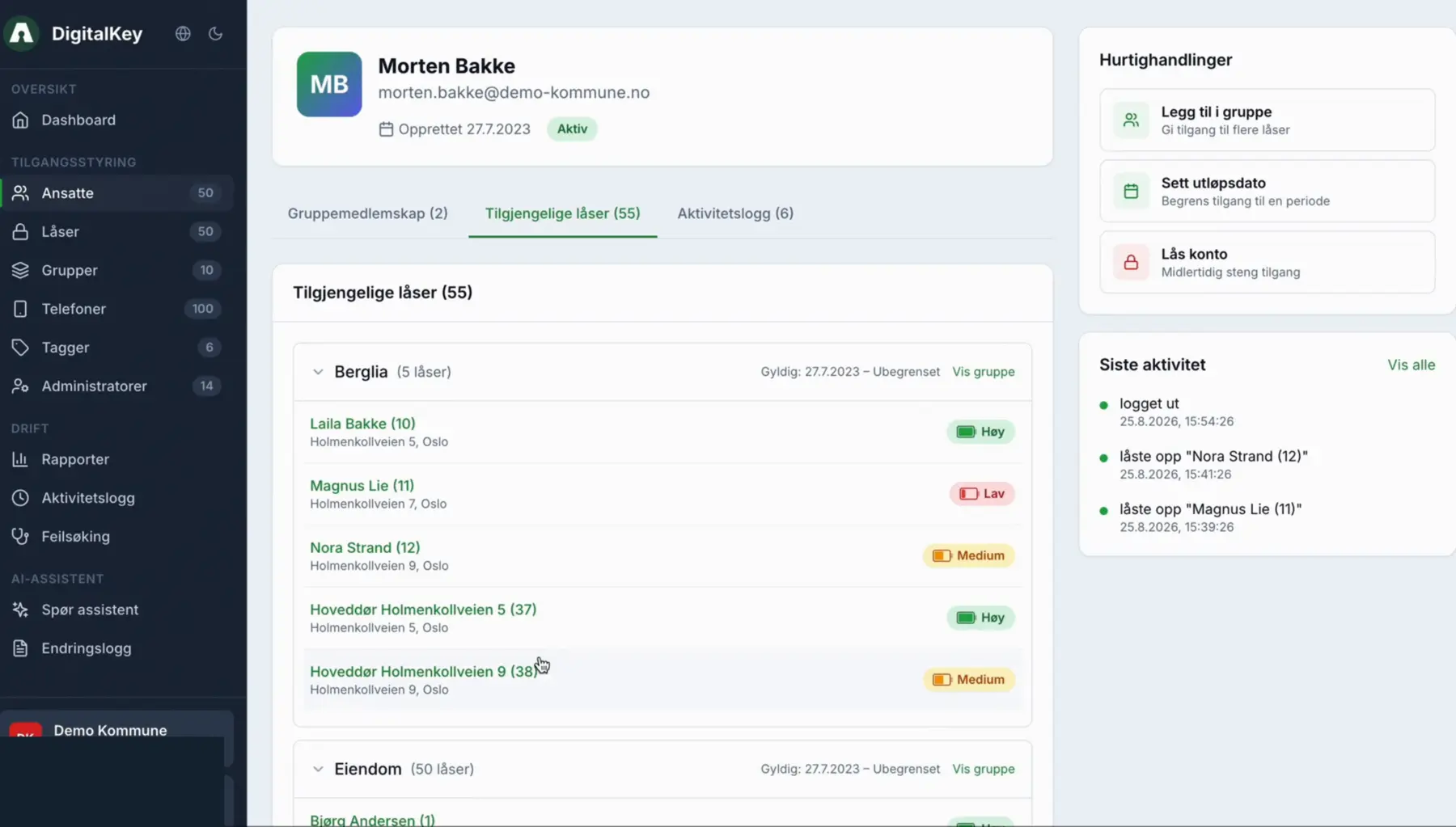
The user is created once, roles are defined centrally, locks are connected through integrations and access is translated into the vendor’s model. Administrators get one control interface, even when data detail and functionality vary.
Benefits
- The right technology for each door
- Reuse of compatible investments
- A stronger negotiating position
- Gradual modernisation
- Less training across multiple portals
Examine the integrations
Clarify which functions the API supports, how users and locks are identified, whether access can be revoked, which events are available and who owns the master data.
“Integration” does not automatically mean full functional parity.
Use a common data model
Stable objects such as organisation, location, user, entrance, lock and access group make it easier to integrate systems and change vendors.
Clarify responsibilities
Create a RACI matrix for physical installation, firmware, batteries, integration failures, platform operations, support, security incidents and data quality.
Procurement requirements
Request documented APIs, data export, data ownership, exit assistance, security updates, incident notification, a test environment and transparent integration costs.
Conclusion
The objective is not the greatest possible number of vendors, but flexibility. A common platform can balance flexibility and control when integrations, responsibilities and data are clearly defined.
Frequently asked questions
Do multiple vendors create more complexity?
Technically, yes. The platform should reduce complexity for users and administrators.
Can all locks be brought together?
No. A supported integration is required.
Should open APIs be required?
Often, but quality, security, functional coverage and terms must be assessed together.